Dubai’s Metro Runs Itself, and So Does the Rest of the System
A driverless train pulling into a station is not, by itself, remarkable anymore. Several cities run automated metro lines. What stands out in Dubai is how far the logic of automation extends past the train itself, into the card readers, the platform doors, the carriage layout, even which seats a passenger is allowed to sit in. We spend a lot of time with clients thinking about infrastructure as a signal of how a city is run, and the Dubai Metro is one of the clearest examples we track. It is a system engineered for control at a level of detail that has direct implications for anyone evaluating how the emirate plans, builds, and maintains everything else.
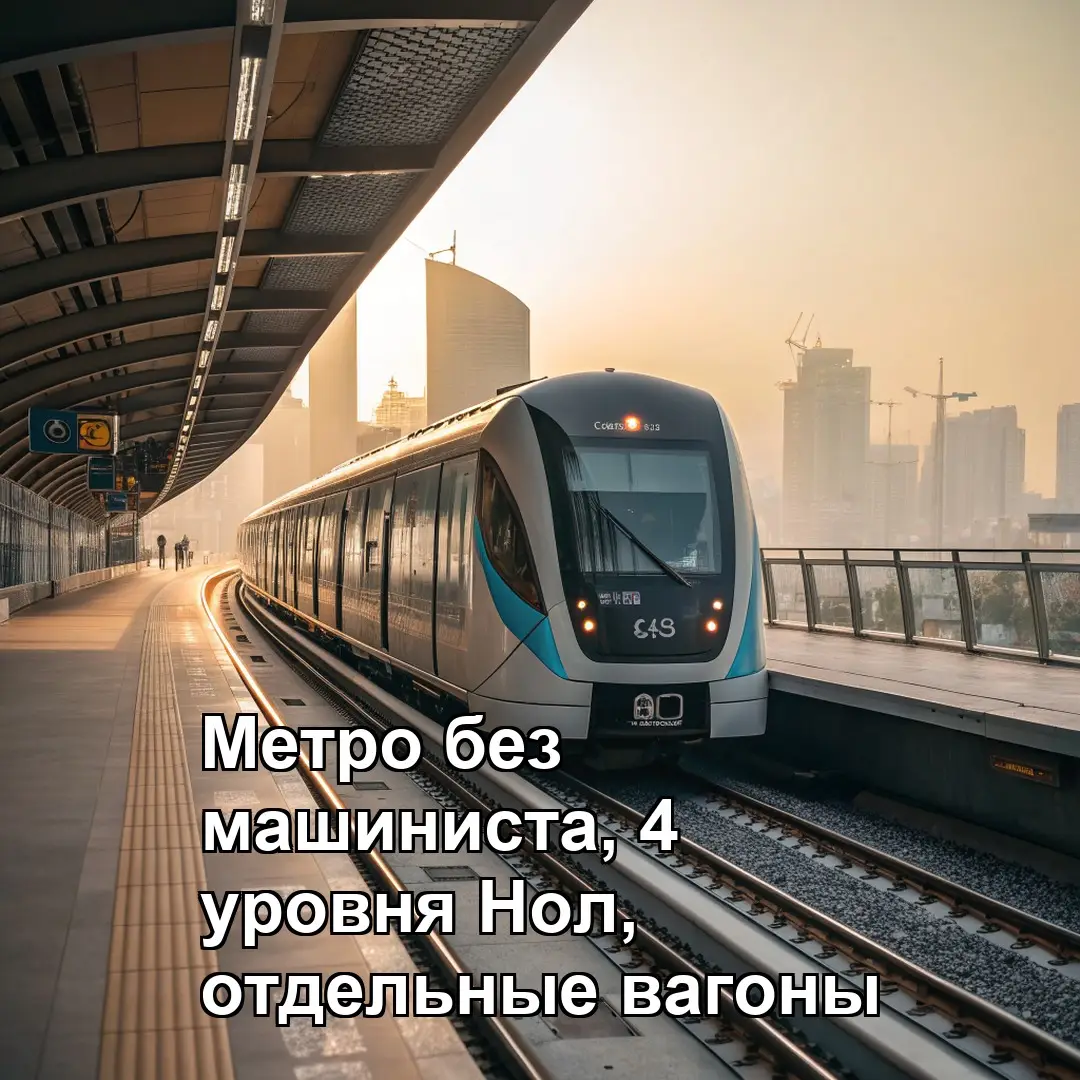
Start with the obvious part. The Dubai Metro has operated without drivers since it opened in 2009, making it one of the longest fully automated urban rail networks in the world by route length. The trains run on a driverless, unattended system: sensors and central control manage acceleration, braking, and door timing across the network. Platform screen doors line every station, sealing the platform edge from the track until a train is correctly positioned and stopped. That single design choice removes an entire category of risk (falls, obstructions, unauthorized track access) that older networks in other regions still manage through signage and staff vigilance rather than physical barriers.
The payment layer works the same way. The Nol card is not just a fare card, it is the access key to the whole public transport network: metro, tram, bus, and marine transport all run on the same account. A visitor buying a single card at the airport can move across four different transport modes without a second purchase decision. That kind of interoperability sounds unremarkable until you compare it against cities where metro, bus, and light rail are run by separate operators with separate ticketing, separate apps, and separate rules. Dubai’s public transport authority built the system so a single credential clears every gate. For an investor, this is the same instinct that shows up later in how utilities, developer service charges, and community management are structured: fewer seams, fewer places where a resident has to solve a coordination problem the system should have solved for them.
Then there is the detail that tends to surprise newcomers most: the women and children’s carriage. On every train, a dedicated carriage is reserved for women and children, marked clearly on the platform and inside the car, with fines for men who use it. It is not a suggestion or an unenforced courtesy sign, it is a fare-integrity rule backed by penalties, and it has held in place since the network opened. Whatever a reader’s view of the policy itself, the operational fact is telling: Dubai’s transport authority designed a rule into the physical layout of the train (a walled-off carriage, not a taped-off zone) and then enforced it consistently for over fifteen years. That is a pattern worth noticing, because the same authority applies the identical logic to trickier problems: not a policy announcement followed by loose compliance, but a rule with a physical mechanism and a real penalty behind it.
None of these three features (unattended trains, unified payment, a dedicated carriage) is expensive or exotic in isolation. Automated train control exists elsewhere. Universal transit cards exist elsewhere. What is less common is a network where all three were designed together, launched together, and have been running without major rework for over a decade. That consistency is the actual signal. A transport system is one of the few pieces of city infrastructure that ordinary residents interact with daily, and it is nearly impossible to fake reliability at that frequency. A control system that quietly runs a train network for fifteen years without a driver, and gets a fare card right on day one, is the same institutional capacity that shows up later in DEWA connections, RERA escrow accounts, and community service charge audits. Buyers we work with often assume Dubai’s reputation for “getting infrastructure right” is a marketing line. The metro is one of the few places where you can check the claim yourself, ride by ride, for the price of a Nol card.
Why does this matter for someone evaluating property rather than transit? Because the same institutional habits (design once, automate the enforcement, keep it running without gaps) are the habits that determine whether a payment plan holds, whether an escrow account is real, and whether a service charge audit actually happens. Our analysis keeps returning to the same conclusion: judge the institutions by the systems residents touch every day, not by the systems built to impress a boardroom.
FAQ
Is the Dubai Metro fully driverless?
Yes. It has operated as a driverless, automated system since opening in 2009, with central control managing train movement, acceleration, and braking across the network.
What is the Nol card and do I need one as a visitor?
The Nol card is the unified fare card for Dubai’s public transport, covering metro, tram, bus, and marine transport on one account. Visitors can buy one at metro stations or the airport and top it up as needed.
What happens if a man sits in the women and children’s carriage?
It results in a fine. The carriage is physically marked on the platform and inside the train, and the rule is enforced by transport staff, not left to voluntary compliance.
Are platform screen doors standard on the whole network?
Yes, platform screen doors are installed at all Dubai Metro stations, separating the platform from the track until a train has stopped and aligned correctly.
Does the metro connect to other transport modes?
Yes. The Nol account also works across Dubai’s tram, bus network, and marine transport (water taxis and ferries), making multi-modal trips possible on a single card.
Why do infrastructure details like this matter for property buyers?
Transport reliability is a visible, checkable proxy for how consistently a government executes on the infrastructure and regulatory systems (escrow, utilities, service charges) that directly affect property ownership.